
Forest Department Partnership
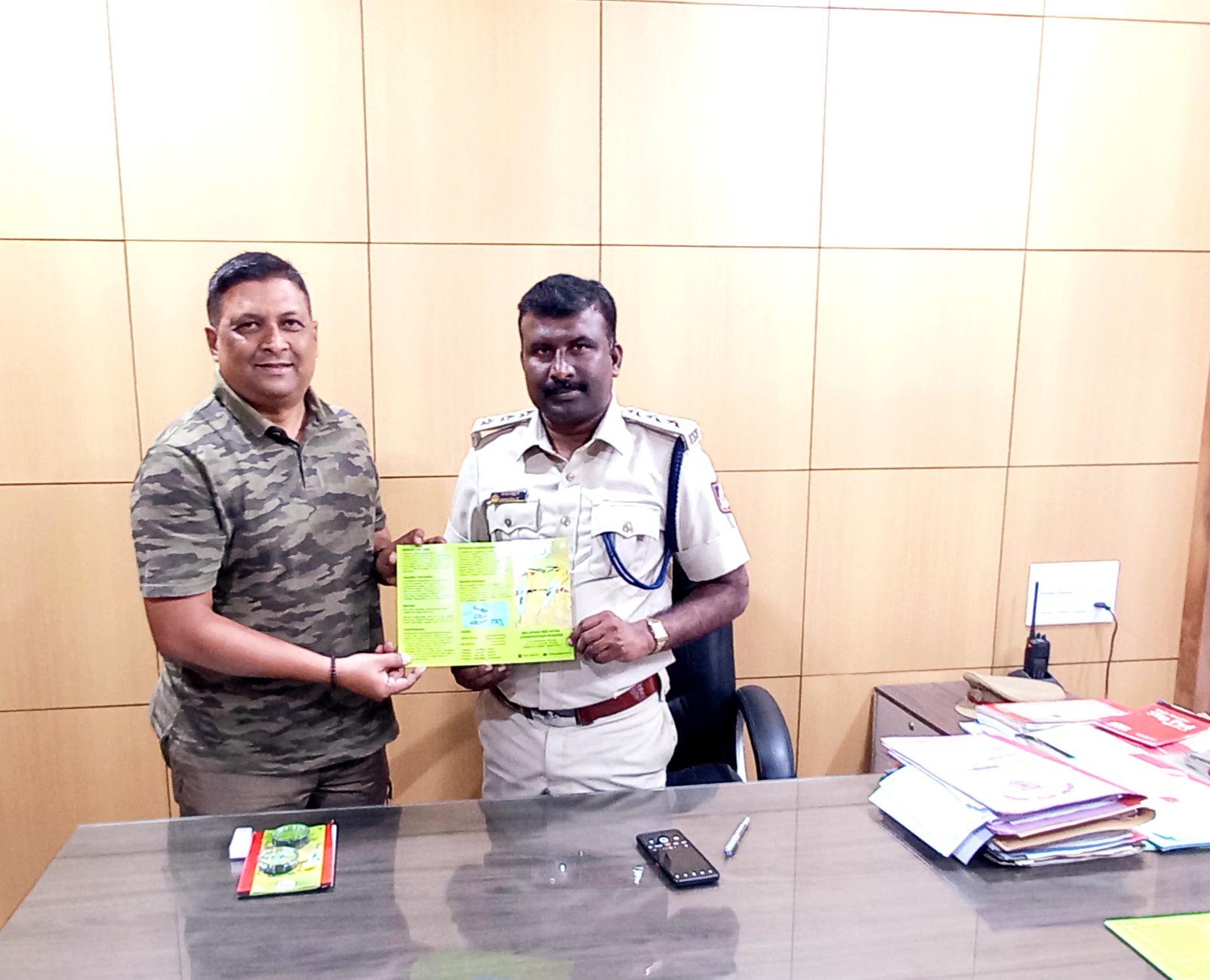
Strategic Partnership Overview
Naturepix has forged a crucial partnership with the Karnataka Forest Department to address
the alarming decline of migratory bird populations in the Mysore region through
comprehensive data sharing and collaborative research initiatives. This partnership
represents a significant step toward evidence-based conservation policy, combining field
expertise with governmental conservation authority to tackle the biodiversity crisis affecting
the region.
Data Contribution and Documentation
As part of this collaborative framework, Naturepix provides the Forest Department with
meticulously documented evidence of environmental and climate change impacts on
migratory bird populations. The organization's 17-year database of over 250 bird species
documented in the Mysore area serves as a critical baseline for understanding population
trends and migration pattern changes.
Species Documentation and Population Monitoring
Naturepix delivers comprehensive
photographic and behavioral documentation showing the dramatic decline in migratory bird
arrivals. This includes temporal mapping of species presence, breeding behavior
observations, and detailed habitat utilization patterns that demonstrate the direct
correlation between environmental degradation and species disappearance.
Climate Impact Assessment
The partnership provides the Forest Department with detailed
analysis of how changing precipitation patterns, temperature fluctuations, and extreme
weather events have disrupted traditional migration corridors. This data includes
documentation of altered breeding cycles, shifted arrival and departure times, and evidence
of species abandoning historically reliable roosting and feeding sites.
Habitat Loss Documentation
Through extensive field surveys and photographic evidence,
Naturepix contributes critical information about wetland destruction, agricultural landscape
transformation, and urban encroachment that has eliminated essential stopover habitats.
This documentation provides the Forest Department with concrete evidence needed for
habitat protection and restoration initiatives.