
Environment
&
Climate
Change
The Mysore region, once a thriving corridor for diverse migratory bird species, is experiencing an alarming decline in avian visitors due to the cascading effects of environmental degradation and climate change.
This biodiversity hotspot, strategically located near the Western Ghats, has historically served as a crucial stopover and wintering ground for numerous migratory species, but recent observations reveal a concerning pattern of disappearing species.
Habitat Loss and Fragmentation
Drastic change in crop pattern, people living standard; fragmentation, degradation and loss of habitat; and pollution are the primary reasons for the decline of other bird species.
The transformation of traditional agricultural landscapes into urbanized areas has eliminated critical feeding and roosting sites that migratory birds depend upon during their seasonal journeys.
Climate Change Disruptions
Regional Evidence of Decline
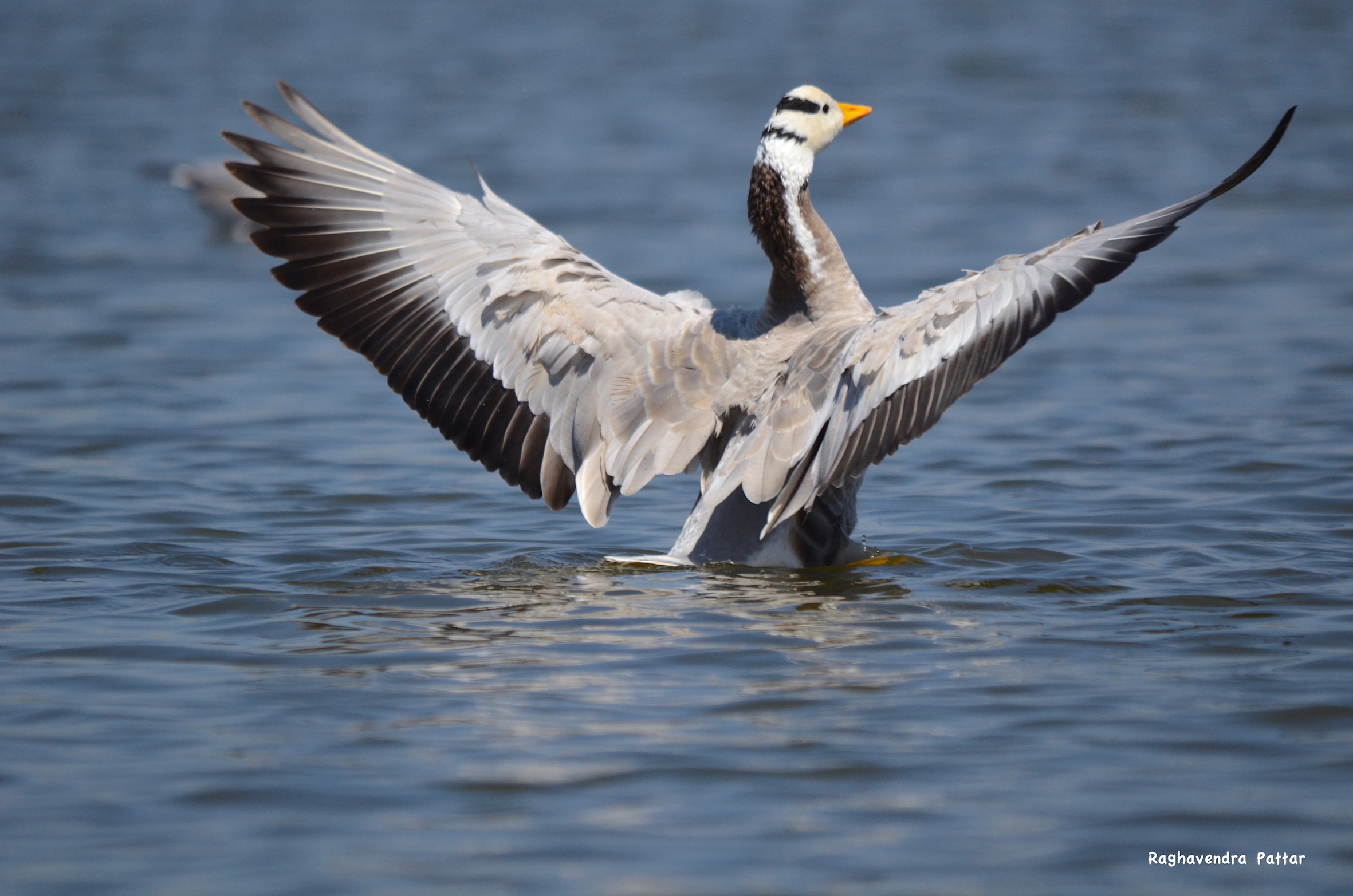
A stark example of this decline is evident in Karnataka's recent migratory bird census. The arrival rate of migratory birds in the state has fallen by 34.4 percent. Only 65.6 percent of BHG have arrived. This dramatic reduction in Bar-headed Geese arrivals reflects broader patterns affecting multiple migratory species.
Conservation Urgency
Immediate conservation action is needed to preserve remaining habitats, restore degraded ecosystems, and create climate-resilient corridors that can support migratory species in an era of rapid environmental change. The window for effective intervention is rapidly closing as each migration season brings fewer returning species to this once-thriving avian sanctuary.
The transformation of Mysore from a migratory bird haven to a region of declining populations serves as a microcosm of global challenges facing migratory species, demanding urgent, science-based conservation strategies to prevent further losses.